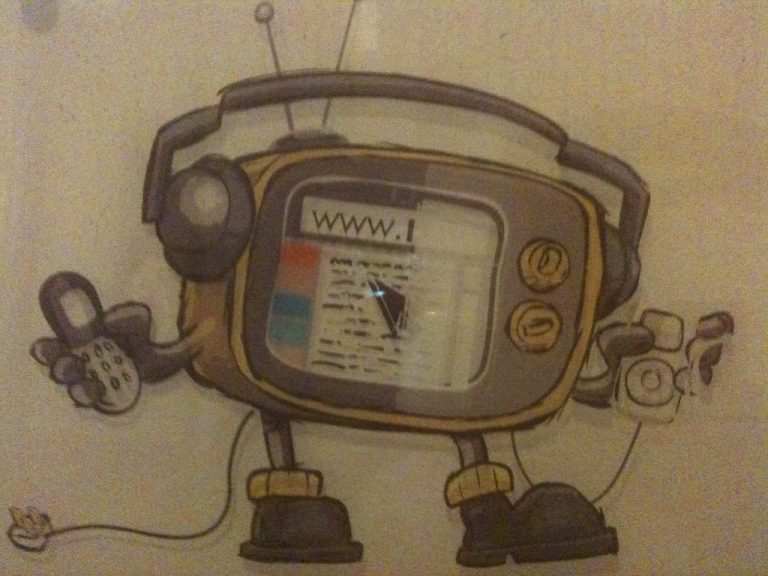
Streaming Multimedia: The Future of Entertainment in 2026
The Evolution of Streaming Multimedia
Over the past decade, the landscape of entertainment has undergone significant changes, primarily driven by advancements in technology and shifts in consumer behavior. By 2026, streaming multimedia has not only solidified its place in entertainment but has also transformed how we consume content on a global scale.

Streaming Services: A Marketplace of Choices
In 2026, consumers have an overwhelming number of options when it comes to streaming services. Gone are the days when a single service dominated the market. Today, users can choose from a wide array of platforms, each offering unique content tailored to different tastes and preferences. The competition has led to:
- Exclusive Content: Original series and films that can only be found on specific platforms.
- Diverse Genres: An increase in niche categories catering to specific audiences, from indie films to international programming.
- Global Access: Streaming services now offer multilingual options, making content accessible to a broader audience.
Technological Advancements in Streaming
As we navigate through 2026, technological innovations have further enhanced the streaming experience. Some notable advancements include:
- 4K and Beyond: The standard resolution has shifted from HD to 4K and even 8K, offering viewers a more immersive experience.
- AI-Powered Recommendations: Streaming services leverage artificial intelligence to analyze viewing habits and suggest content tailored to individual tastes.
- Interactive Features: Some platforms have begun integrating interactive elements, allowing viewers to engage with content in real time.
The Role of Multimedia in Content Creation
In 2026, the role of multimedia in content creation has become more pronounced. Producers utilize various forms of media to enhance storytelling and audience engagement:
- Virtual Reality (VR): VR experiences have become popular, offering audiences a chance to step into the narrative.
- Augmented Reality (AR): AR has been integrated into promotional materials, making marketing campaigns more engaging.
- Multi-Platform Releases: Content is often released across various platforms, including social media, to reach diverse audiences.
Consumer Behavior and Streaming
The shift to streaming has also altered consumer behavior. Here’s how:
- Binge-Watching Culture: The entire season of shows is often released at once, leading to the binge-watching phenomenon.
- Subscription Fatigue: With more options comes a challenge; consumers are becoming selective about their subscriptions to avoid overspending.
- Social Viewing: Platforms are introducing features that allow friends to watch and interact together, even if they’re miles apart.
Challenges Facing Streaming Services
Despite its growth, the streaming industry in 2026 faces several challenges:
- Content Saturation: With so many options available, consumers may struggle to find quality content amidst the noise.
- Piracy Issues: Streaming services are constantly battling against piracy, which affects revenue and content creators.
- Global Licensing Agreements: Regional restrictions on content availability can frustrate international audiences.
The Future of Streaming Multimedia
Looking forward, several trends are poised to shape the future of streaming multimedia:
- Increased Personalization: Streaming services will continue to refine their algorithms for even better content recommendations.
- Enhanced Community Engagement: Platforms are likely to focus on building communities around shows and movies, creating a more interactive experience.
- Sustainability Practices: As consumers become more environmentally conscious, streaming companies may adopt sustainable practices to reduce their carbon footprints.
In conclusion, the streaming multimedia landscape in 2026 is vibrant and ever-evolving. As technology advances and consumer preferences shift, we can expect to see even more innovations that will redefine how we engage with entertainment. Whether it’s through personalized recommendations or the immersive experiences offered by VR and AR, the future of streaming multimedia is bright.