Exploring the Transformational Role of Multimedia in Personal Branding for 2026
Introduction
In today’s digital landscape, personal branding has become more crucial than ever. With the rise of social media and online platforms, how individuals present themselves online significantly influences their careers and personal lives. In 2026, multimedia is playing a transformative role in shaping personal branding, making it essential to understand its impact and potential.
What is Personal Branding?
Personal branding is the practice of marketing oneself and one’s career as a brand. It involves defining a unique image and message that resonates with the target audience, showcasing expertise, and creating an authentic persona. In a world where competition is fierce, personal branding through multimedia can set individuals apart and create lasting impressions.
The Power of Multimedia in Personal Branding
Multimedia encompasses various forms of content, including text, images, audio, and video, all of which contribute to a person’s online presence. Here’s how multimedia is essential for effective personal branding:
- Visual Appeal: High-quality images and videos enhance engagement, making profiles more attractive to visitors. A striking visual presence can leave a memorable impression.
- Storytelling: Multimedia allows for storytelling through various formats. Individuals can share their journeys, experiences, and values through compelling narratives that resonate with others.
- Authenticity: Videos and live streams provide a platform for genuine interaction, helping individuals connect on a personal level. Authenticity builds trust, essential for personal branding.
- Shareability: Engaging multimedia content is more likely to be shared across social networks, increasing visibility and expanding reach.
Trends in Multimedia Utilization for Personal Branding in 2026
As the landscape of personal branding evolves, several multimedia trends are emerging in 2026:
- Short-Form Video Content: Platforms like TikTok, Instagram Reels, and YouTube Shorts are dominant. Short, engaging videos are effective for quick storytelling and capturing attention.
- Augmented Reality (AR) Filters: Personal brands are leveraging AR filters to create interactive experiences. These tools allow users to engage with their brand in a fun and innovative way.
- Podcasts: With the increasing popularity of podcasts, many are using audio content to share insights, experiences, and expertise, making personal branding more intimate.
- High-Quality Visuals: Professional-grade photography and videography are no longer just for brands; individuals are investing in quality visuals to enhance their personal image.
Creating Compelling Multimedia Content
To effectively harness multimedia in personal branding, consider the following strategies:
- Define Your Brand: Identify what you want to communicate. Your brand message should reflect your values, goals, and personality.
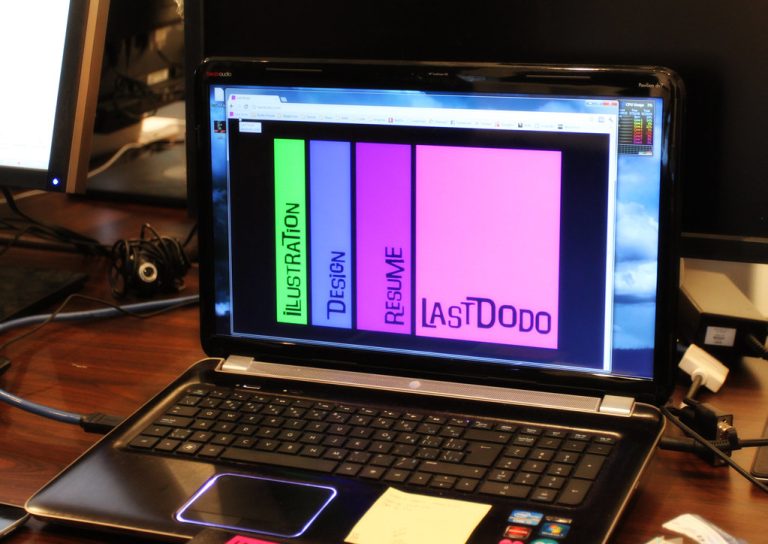
- Use a Consistent Style: Maintain a uniform visual style across all platforms. This includes color schemes, fonts, and imagery that represent your brand.
- Engage with Your Audience: Use polls, quizzes, and Q&A sessions in your multimedia to interact with the audience. Engagement enhances loyalty and builds community.
- Monitor Analytics: Keep track of which content performs best. Use analytics to refine your approach and focus on what resonates with your audience.
Challenges in Using Multimedia for Personal Branding
While multimedia can greatly enhance personal branding, it also comes with challenges that individuals must navigate:
- Overload of Content: With an overwhelming amount of content online, standing out becomes increasingly difficult. Understanding your audience and their preferences is key.
- Technological Barriers: Not everyone has access to high-quality production equipment or editing software. However, many user-friendly tools are available that can help elevate the quality of content.
- Maintaining Authenticity: The pressure to create perfect content can lead to a loss of authenticity. It’s essential to strike a balance between professionalism and genuine self-expression.
Case Studies of Successful Personal Brands in 2026
To illustrate the effective use of multimedia in personal branding, let’s look at a few examples:
- Influencer Marketing: Many social media influencers have built personal brands around lifestyle, travel, and fashion by utilizing stunning visuals and engaging storytelling through sequential video posts.
- Industry Experts: Professionals in fields like marketing and technology are establishing themselves as thought leaders by creating informative podcast series that share industry insights and trends.
- Artists and Creatives: Visual artists are leveraging platforms like Instagram and Pinterest to share their artwork, process videos, and behind-the-scenes content, which helps build a loyal following.
Conclusion
Personal branding in 2026 is an evolving landscape where multimedia plays a pivotal role. By understanding the various elements of multimedia and employing them effectively, individuals can create a powerful personal brand that resonates with their audience. In a world dominated by content, the ability to communicate your unique story through multimedia can lead to significant personal and professional opportunities.