Harnessing Multimedia for Enhanced Learning Experiences in 2026
Introduction
As we navigate through 2026, the educational landscape continues to evolve, integrating new technologies and methodologies. Multimedia has emerged as a powerful tool in enhancing learning experiences, providing diverse ways for learners to engage with content. This article explores the latest advancements in multimedia technology and its implications for education.
The Evolution of Multimedia in Education
Multimedia in education refers to the use of a combination of text, audio, images, animation, video, and interactive content to facilitate learning. Over the years, advancements in technology have significantly transformed the ways multimedia is implemented in educational settings.
Current Trends in Multimedia Education
- Interactive Learning: Learners today expect interactive content that allows them to engage actively with materials. This can include quizzes, simulations, and interactive videos that enhance the learning process.
- Augmented and Virtual Reality: AR and VR technologies are revolutionizing education by providing immersive learning environments. Students can explore complex concepts, such as anatomy or astronomy, in a 3D space.
- Gamification: Incorporating game elements into educational content motivates learners and makes the learning experience more enjoyable. This trend includes points, badges, and leaderboards.
- Personalized Learning: Multimedia tools allow for tailored educational experiences, adapting to the individual learning styles and paces of students.
Benefits of Multimedia in Learning
Utilizing multimedia in educational settings offers several benefits that can significantly enhance student engagement and retention. Here are some of the key advantages:
Improved Engagement
Multimedia content can captivate the attention of learners far better than traditional text-based content. Engaging visuals and interactive elements keep students interested and motivated to learn.
Enhanced Retention of Information
Research shows that students are more likely to remember information presented in various formats. The combination of sight and sound, along with interactive content, helps reinforce learning and improves memory retention.
Accessibility and Inclusivity
Multimedia can cater to diverse learning needs, making education more inclusive. Tools like subtitles, audio descriptions, and interactive elements help accommodate students with different learning abilities.
Challenges in Implementing Multimedia in Education
Despite its advantages, integrating multimedia into educational settings comes with challenges that educators must navigate.
Resource Limitations
Not all educational institutions have the budget or resources to invest in advanced multimedia technologies. This can create disparities in access to quality educational content.
Training and Familiarization
Educators need proper training to effectively use multimedia tools in their teaching. A lack of familiarity can lead to underutilization of available resources.
Future Perspectives: Multimedia in the Classroom
Looking ahead, the role of multimedia in education is poised to expand further. Here are some anticipated developments:
AI-Powered Learning Assistance
Artificial intelligence will play a crucial role in personalizing learning experiences, offering recommendations and support based on individual student performance and preferences.
Expanded Use of Mobile Learning
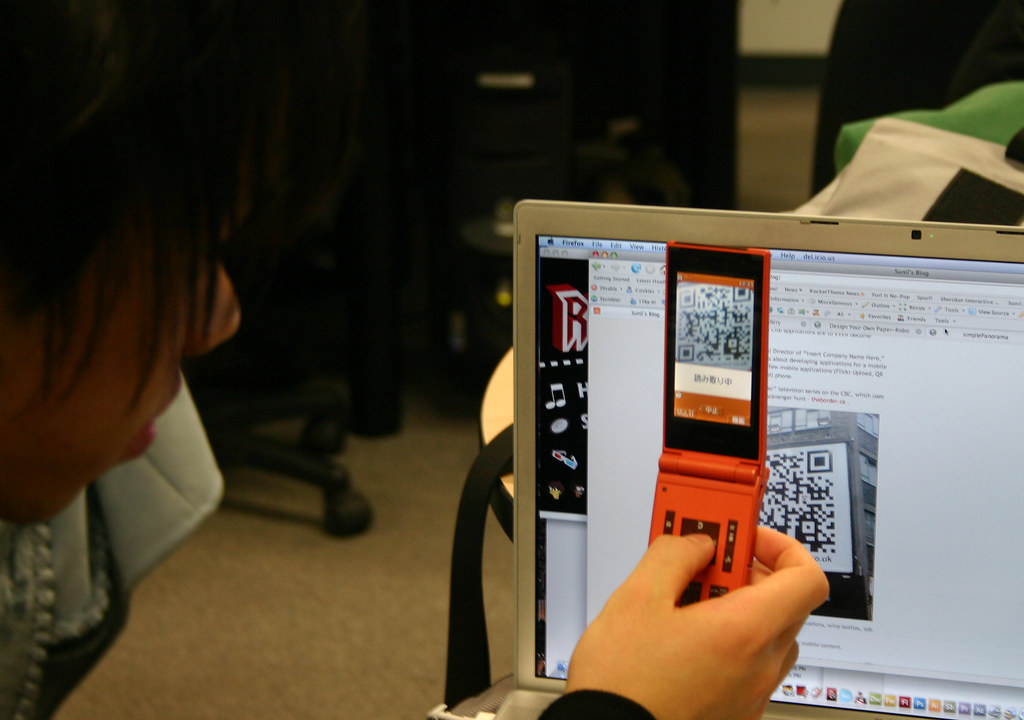
As mobile technologies continue to spread, multimedia learning will increasingly shift to mobile platforms, allowing students to learn on-the-go.
Collaborative Learning Environments
Multimedia will facilitate new collaborative approaches to learning, enabling students to work together on projects, share content, and learn from one another in real-time.
Conclusion
As we progress through 2026, the use of multimedia in education holds tremendous potential to enhance learning experiences. By embracing new technologies and addressing the associated challenges, educators can create dynamic, engaging, and effective educational environments that cater to the needs of diverse learners. The future of education lies in harnessing the power of multimedia to foster a deeper understanding and appreciation of knowledge.