Reinventing Communication: The Role of Multimedia in Effective Messaging in 2026
Introduction to Multimedia Communication
In a world where information is abundant and attention spans are dwindling, the significance of effective communication has never been more critical. As we step into 2026, the role of multimedia in messaging has evolved, transforming the way we share ideas, stories, and information. This article explores how multimedia enhances communication, the tools that enable this shift, and the best practices for leveraging multimedia in various contexts.
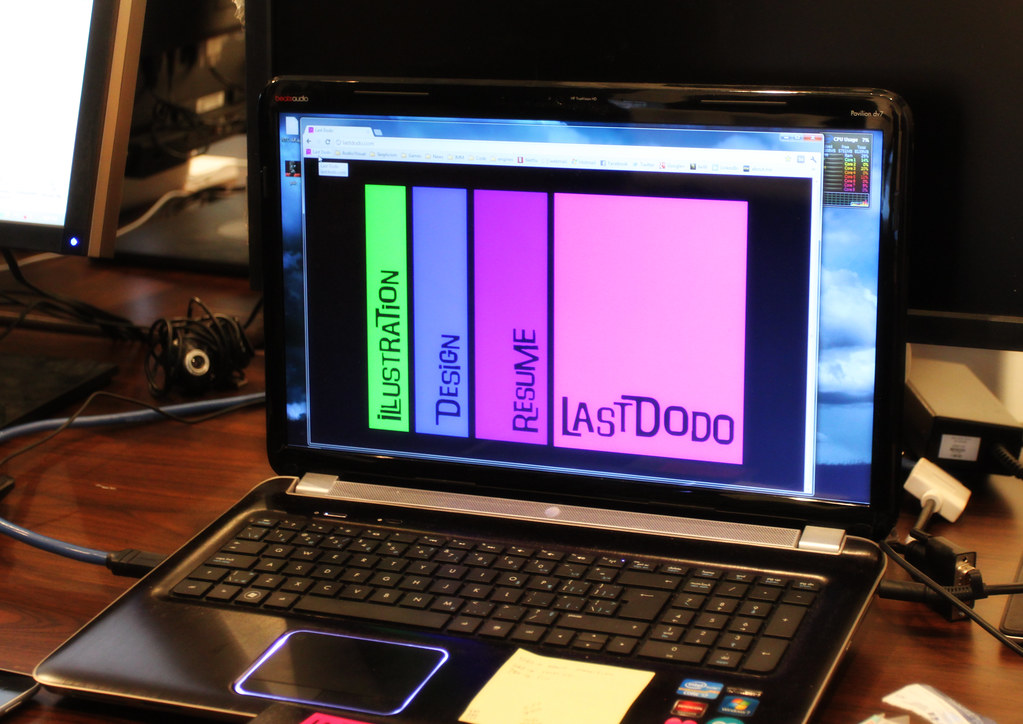
The Power of Multimedia in Modern Communication
Multimedia encompasses various forms of content, including text, images, audio, video, and interactive elements. The combination of these forms creates a rich tapestry of communication that resonates more deeply with audiences. Here are several reasons why multimedia is essential in effective messaging:
- Engagement: Multimedia captures attention more effectively than plain text. Engaging visuals or sounds can draw in users, increasing the likelihood of message retention.
- Clarity: Complex ideas can be simplified through diagrams, infographics, and videos, providing clearer understanding.
- Emotional Connection: Audio-visual elements can evoke emotions, helping the audience relate to the message on a personal level.
- Accessibility: Multimedia can cater to different learning styles, making content more accessible to diverse audiences.
Current Tools for Multimedia Communication
In 2026, numerous tools aid in the creation and distribution of multimedia content. Here are some popular options:
- Canva: This user-friendly platform allows users to create stunning graphics and presentations easily, integrating text and images seamlessly.
- Adobe Creative Cloud: A powerhouse for professionals, offering tools for video editing, graphic design, and audio production.
- Prezi: This presentation software enables dynamic and visually engaging presentations that go beyond traditional slides.
- Podcasting Software: Tools like Anchor and Audacity simplify the process of creating audio content, making it accessible to anyone.
- Social Media Platforms: Every social platform has evolved with multimedia capabilities. Instagram, TikTok, and YouTube facilitate rich storytelling through video and imagery.
Best Practices for Multimedia Messaging
Creating effective multimedia communication requires strategic planning and execution. Here are some best practices to consider:
1. Know Your Audience
Understanding your audience is crucial. Tailor your multimedia content based on their preferences, behaviors, and demographics. Use analytics tools to gather insights on what type of content resonates most.
2. Keep It Concise
Attention spans are short. Strive to deliver your message clearly and succinctly. Use multimedia to complement your message, not overwhelm it. Aim for a balance between text, visuals, and audio.
3. Quality Over Quantity
Focus on producing high-quality content rather than churning out large volumes. Invest in good visuals and sound quality to enhance credibility and engagement.
4. Optimize for Different Platforms
Different platforms have unique specifications and audience expectations. Ensure your multimedia content is optimized for mobile devices, desktops, and various social media platforms.
5. Encourage Interaction
Make your multimedia content interactive when possible. Quizzes, polls, and clickable elements can engage users further, creating a two-way communication flow.
The Future of Multimedia Communication
As we progress further into 2026, the multimedia landscape will continue to evolve. Emerging technologies such as augmented reality (AR) and virtual reality (VR) will further enhance the immersive nature of multimedia communication. Here’s what to expect:
- Increased Immersion: AR and VR technologies will provide more interactive experiences, allowing users to engage with content in a 3D environment.
- AI and Personalization: Artificial intelligence will play a pivotal role in content creation and distribution, enabling personalized messaging based on user behavior and preferences.
- Enhanced Analytics: Advanced analytics tools will allow communicators to better gauge audience reaction and interaction with multimedia content, informing future strategies.
Conclusion
In 2026, the role of multimedia in communication is not just an enhancement; it is a necessity. As communication continues to evolve, embracing multimedia tools and techniques will be essential for effectively reaching and engaging audiences. By understanding your audience, maintaining quality, and utilizing the latest technologies, communicators can craft messages that resonate and inspire action.