The Evolution of Multimedia Creativity: A 2026 Perspective
Understanding Multimedia Creativity in 2026
As we delve into 2026, the world of multimedia creativity has transformed in ways that were unimaginable just a few years ago. With advancements in technology and an ever-growing demand for content, multimedia has become a vibrant tapestry of art, communication, and innovation. This blog post explores the multifaceted nature of multimedia creativity and its implications for artists, brands, and audiences alike.
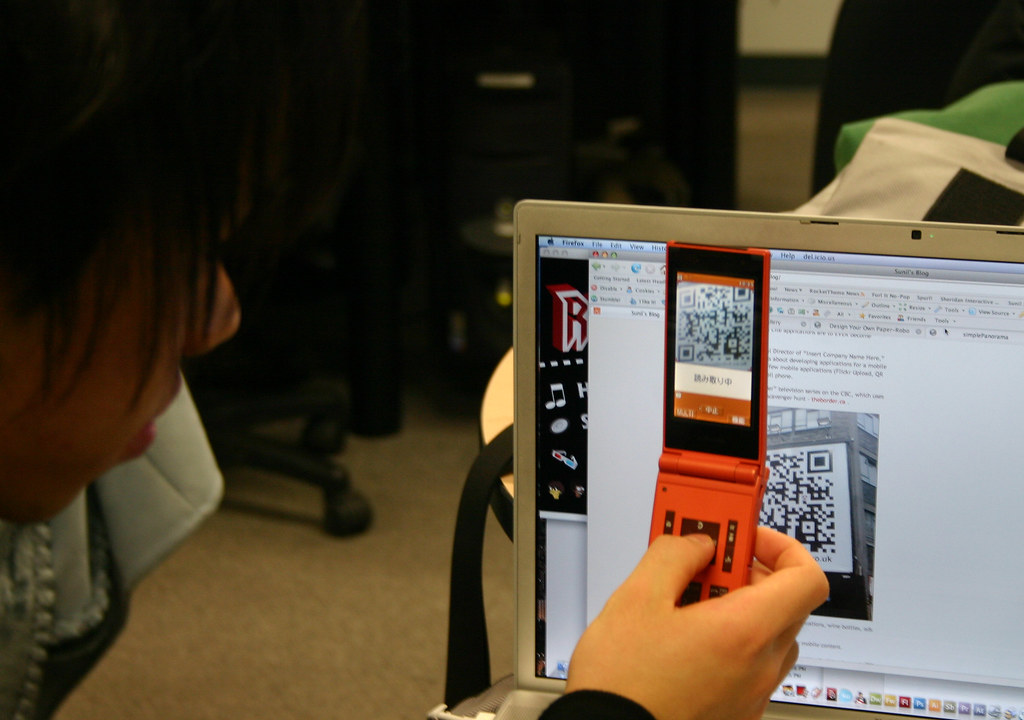
The Role of Technology in Multimedia Creativity
Technology is at the heart of multimedia creativity. The tools available today enable creators to push boundaries and explore new avenues of expression. Here are some of the most notable advancements:
- Artificial Intelligence: AI has become a crucial collaborator in content creation. From generating music to designing artwork, AI tools can streamline the creative process and offer novel ideas.
- Virtual and Augmented Reality: Immersive technologies allow creators to craft experiences that engage audiences in ways that were previously thought impossible. Artists can now create virtual exhibitions where viewers can interact with their work in 3D spaces.
- Enhanced Software: Programs that offer an array of multimedia capabilities—such as video editing, sound design, and animation—are becoming more user-friendly and accessible.
Exploring New Creative Avenues
The multimedia landscape is teeming with opportunities for innovative expression. Here are some emerging avenues for creators in 2026:
- Interactive Storytelling: The combination of multimedia elements like graphics, sound, and text allows for compelling interactive narratives. Creators can engage audiences by letting them choose their path through a story.
- Cross-Platform Experiences: As audiences consume content across various devices, creators must think beyond traditional formats. Integrating video, social media, and mobile apps can create a cohesive experience.
- Collaborative Projects: Creators are increasingly collaborating across disciplines. Musicians, visual artists, and writers can bring their skills together to produce multimedia works that showcase diverse perspectives.
Impact on Audience Engagement
In 2026, audience engagement is more critical than ever. As attention spans decrease, multimedia creators must employ captivating techniques to keep their audience interested. Here are some effective strategies:
- Personalization: Tailoring content to individual preferences can significantly enhance engagement. By analyzing viewer data, creators can craft experiences that resonate with specific audiences.
- Gamification: Incorporating game-like elements in multimedia works can incentivize interaction. Rewards, challenges, and interactive features can transform passive viewers into active participants.
- Live Elements: Live interactions, such as Q&A sessions or real-time feedback during presentations, can create a sense of community and deepen connections between creators and their audience.
Multimedia in Marketing and Branding
Brands are harnessing the power of multimedia to craft compelling narratives that resonate with their target audience. Here’s how multimedia is changing the marketing landscape:
- Visual Storytelling: Utilizing vibrant imagery and videos to tell a brand’s story can foster emotional connections with consumers.
- Social Media Integration: Short-form video content on platforms like TikTok and Instagram has become a staple for brands to reach younger audiences effectively.
- Content Diversification: Brands now employ various multimedia formats—such as podcasts, webinars, and infographics—to engage different segments of their audience.
The Future of Multimedia Creativity
Looking ahead, the future of multimedia creativity is bound to be exciting and dynamic. With the continuous evolution of technology and audience expectations, creators must remain adaptable, innovative, and open-minded. Here are some predictions for the future:
- Increased Accessibility: As technology becomes more affordable, more individuals will have the opportunity to engage in multimedia creation, fostering a more diverse array of voices.
- AI-Driven Creativity: AI tools will become even more sophisticated, enabling creators to explore new artistic territories and discovering innovative production methods.
- Hyper-Personalization: As data analytics improve, creators will be able to create highly tailored experiences that cater to the individual preferences of their audience.
Conclusion
In 2026, multimedia creativity is not just about creating content—it’s about crafting experiences that resonate, engage, and inspire. As we embrace these advancements and innovations, both creators and audiences have an exciting journey ahead, filled with opportunities to learn, connect, and explore the limitless potential of multimedia.