How Multimedia is Transforming Mental Health Awareness and Support in 2026
The Rise of Multimedia in Mental Health Awareness
In recent years, the landscape of mental health awareness has been significantly transformed through the innovative use of multimedia. As of 2026, platforms that utilize videos, podcasts, interactive content, and social media are playing a pivotal role in educating the public and providing support for mental health issues.

Understanding the Multimedia Approach
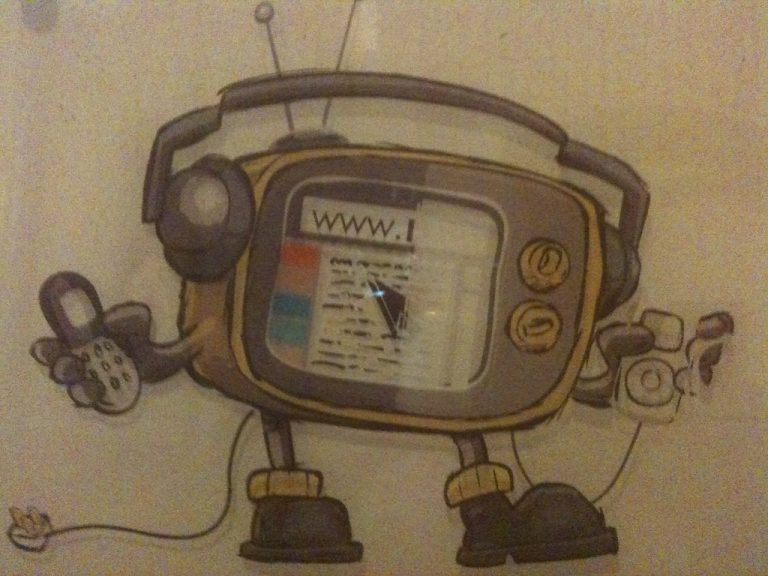
Multimedia encompasses a range of formats including text, audio, images, animations, and video. This diverse approach captures attention and engages audiences more effectively than traditional methods. In mental health, conveying complex emotions and experiences through various multimedia formats allows for deeper understanding and connection.
Key Multimedia Formats in Mental Health Awareness
- Videos: Short films and documentaries are powerful tools for raising awareness. They bring personal stories to life, showcasing the struggles and triumphs associated with mental health challenges.
- Podcasts: These audio formats provide a platform for open discussions. Mental health professionals and advocates share insights, coping strategies, and personal narratives, making it easier for listeners to relate and learn.
- Infographics: Visual aids that present statistics and information in an easily digestible format help demystify complex topics.
- Interactive tools: Quizzes and self-assessment tools found on websites offer users personalized feedback, promoting mental health literacy.
The Impact of Social Media
Social media platforms have become vital in spreading mental health awareness. Campaigns like #MentalHealthMatters or #EndThe stigma encourage individuals to share their stories and support one another. As of 2026, platforms like Instagram, TikTok, and Facebook have integrated features that allow for mental health resources to be shared widely.
Case Studies: Successful Multimedia Campaigns
Several organizations have successfully implemented multimedia strategies to raise awareness:
- The “Hear Our Voices” Campaign: This initiative uses video testimonies from individuals living with mental health conditions. The campaign has reached millions and has increased empathy and understanding.
- #SelfCareSundays: A weekly social media event encouraging users to share their self-care routines through images and videos, fostering a community of support and encouragement.
Challenges and Considerations
While multimedia has advanced mental health awareness, certain challenges must be addressed:
- Accessibility: Not everyone has equal access to technology, which can create disparities in who benefits from multimedia resources.
- Misinformation: With the vast amount of information available online, distinguishing between credible sources and misinformation is essential.
- Privacy Concerns: Users sharing personal stories may face privacy issues. Ensuring confidentiality and respectful representations is crucial.
The Future of Multimedia in Mental Health
Looking ahead, the potential of multimedia in mental health support continues to grow. Innovations in virtual reality (VR) and augmented reality (AR) are beginning to emerge as therapeutic tools, allowing individuals to experience scenarios in a controlled environment, thus aiding in exposure therapy.
Conclusion
As multimedia continues to shape the narrative around mental health, it is essential for organizations, advocates, and individuals to leverage these tools thoughtfully and responsibly. With the right approach, multimedia can pave the way for a more informed, empathetic society that recognizes and addresses mental health issues effectively.