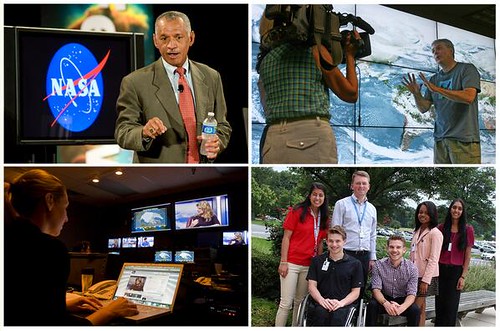
The Role of Multimedia in Shaping User Behavior in 2026
Understanding User Behavior in the Multimedia Landscape
As we navigate through 2026, the role of multimedia in influencing user behavior has never been more pronounced. The rapid advancements in technology have redefined how users interact with content, and understanding these shifts is crucial for businesses, educators, and content creators alike.

The Shift towards Visual and Auditory Engagement
In a world inundated with information, users are drawn to content that engages multiple senses. Visual and auditory elements create a more immersive experience, leading to enhanced retention and engagement. Studies have shown that:
- Visual content is processed 60,000 times faster than text.
- Auditory cues can significantly impact emotions, making information more memorable.
These statistics underline the importance of integrating multimedia elements into content strategies. But how can businesses effectively leverage these insights?
Creating Compelling Multimedia Experiences
To create powerful multimedia experiences, consider the following strategies:
- Understand Your Audience: Knowing your audience’s preferences can guide the choice of multimedia elements. Utilize analytics to tailor your content.
- Balance Multimedia Elements: While visuals are captivating, a well-structured balance of text, sound, and video can enhance overall effectiveness.
- Optimize for All Devices: With the increase in mobile usage, ensuring that multimedia content is accessible across devices is crucial for user engagement.
Trends Shaping Multimedia User Behavior in 2026
Several trends have emerged in 2026 that significantly influence how users interact with multimedia content: Also read: ajo89 for more insights.
- Short-Form Video Content: Platforms like TikTok and Instagram Reels have popularized short, engaging videos that captivate users in seconds.
- AR and VR Integration: Augmented Reality (AR) and Virtual Reality (VR) offer immersive experiences, allowing users to engage with content on a whole new level.
- Personalization: Tailored multimedia experiences based on user behavior and preferences increase engagement and satisfaction.
Multimedia and Consumer Decision-Making
The integration of multimedia into marketing strategies can greatly influence consumer decision-making. Here’s how:
- Enhanced Product Demonstration: Videos that showcase products in action can help consumers understand their benefits better.
- Emotional Connection: Story-driven multimedia can evoke emotions, creating a connection that drives purchasing behavior.
- Trust and Credibility: User-generated multimedia content, such as reviews and testimonials, enhances trustworthiness, influencing potential buyers.
Challenges in Multimedia Implementation
While the benefits of multimedia are clear, businesses must also navigate several challenges:
- Resource Allocation: Creating high-quality multimedia content can be resource-intensive, requiring skilled personnel and tools.
- Content Saturation: With the abundance of multimedia content available, standing out in the crowd requires innovation and creativity.
- Technological Barriers: Keeping up with the latest multimedia technologies can be daunting, especially for smaller organizations.
The Future of Multimedia in User Engagement
As we look ahead, the future of multimedia in shaping user behavior is bright. Emerging technologies will continue to intertwine with user preferences, leading to even more innovative and engaging content strategies. Businesses that embrace these changes and adapt their multimedia approaches will find success in capturing and maintaining user attention.
Conclusion
The landscape of multimedia is evolving, and its impact on user behavior in 2026 cannot be ignored. By understanding how users engage with multimedia, implementing best practices, and staying ahead of trends, businesses can create compelling experiences that resonate with their audience. As we continue to innovate, the possibilities for multimedia are limitless.