Multimedia Innovations: Shaping the Future of Artistic Expression in 2026
Introduction to Multimedia Innovations in 2026
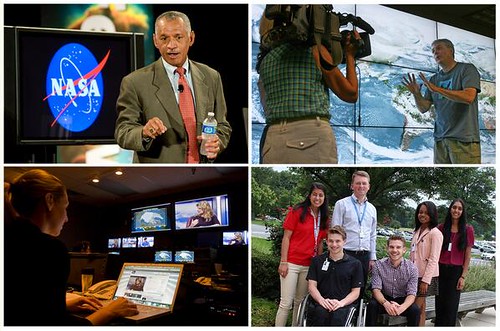
As we navigate through 2026, the multimedia landscape is transforming with unprecedented innovations that are reshaping how we express creativity and communicate ideas. From advancements in technology to shifts in audience engagement, multimedia is at the forefront of a new era of artistic expression. This article delves into the cutting-edge developments that are defining the multimedia realm today.
The Intersection of Technology and Creativity
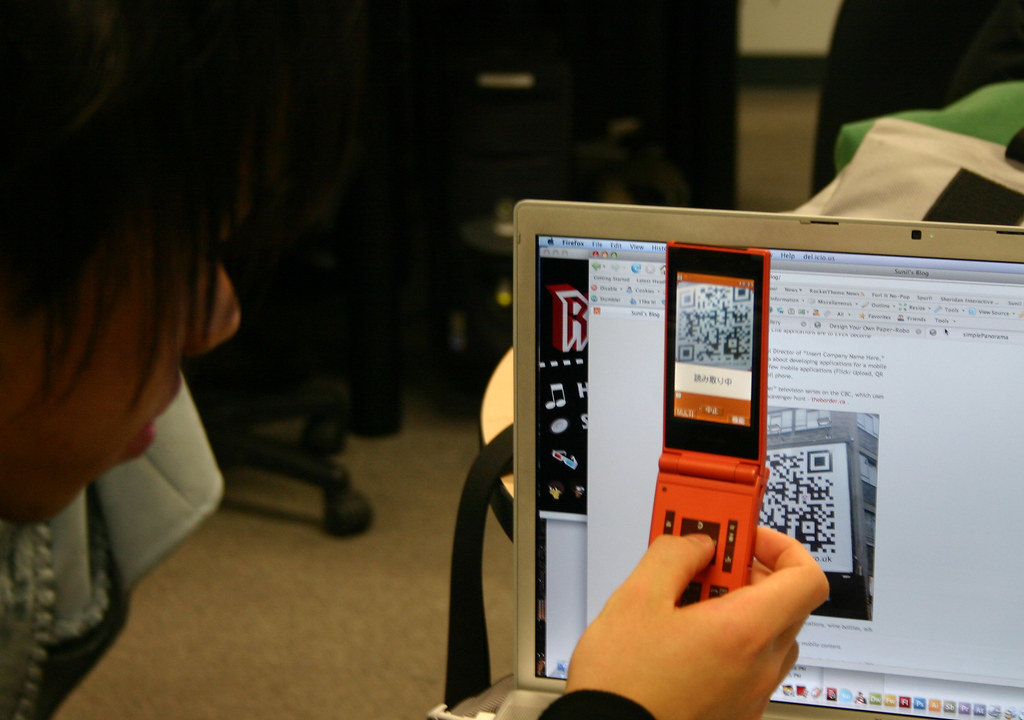
In 2026, technology serves as a powerful catalyst for creativity. Various tools and platforms have emerged, empowering artists, designers, and content creators to push the boundaries of their work. Here are some of the significant innovations:
- AI-Driven Design Tools: Artificial intelligence has greatly influenced design processes, with tools that can generate visuals and audio based on user input. This has made multimedia production more accessible to non-experts.
- Virtual Reality (VR) and Augmented Reality (AR): VR and AR technologies are creating immersive environments for art and storytelling, enriching user experiences and engagement.
- Interactive Installations: Artists are leveraging interactive multimedia installations to create experiences that invite viewer participation, transforming passive audiences into active participants.
Enhancing Artistic Expression through Multimedia
Multimedia allows artists to combine various forms—video, sound, text, and image—creating compositions that resonate on multiple levels. This interplay enhances artistic expression by:
- Breaking Conventional Boundaries: Artists can transcend traditional media by integrating multimedia elements, expanding their creative horizons.
- Engaging Diverse Audiences: By incorporating different formats, artists can cater to a wider audience, capturing the attention of individuals with varied preferences.
- Fostering Collaboration: Multimedia art often involves collaboration between different artists and technologists, leading to innovative outcomes that merge distinct skill sets.
Current Trends in Multimedia Art
The multimedia art scene in 2026 features several key trends that are shaping its evolution: Also read: wak89 for more insights.
- Generative Art: Artists are using algorithms and data to create dynamic, ever-changing artworks that reflect the complexity of modern life.
- Socially Engaged Art: Multimedia projects addressing social issues are gaining traction, utilizing various formats to provoke thought and inspire action among viewers.
- Cross-Disciplinary Approaches: The boundaries between disciplines continue to blur, with multimedia art often intersecting with fields like science, technology, and literature.
The Role of Community in Multimedia Creation
In 2026, community plays a significant role in shaping multimedia projects. Artists are increasingly collaborating with local organizations and communities to create works that reflect shared experiences and narratives. This collective approach not only enriches the artistic process but also fosters a sense of ownership and connection among participants.
Challenges Facing Multimedia Artists
While the advancements in multimedia offer exciting opportunities, artists face various challenges that can hinder their creativity:
- Access to Technology: Not all artists have equal access to the latest tools and technology, which can create disparities in creative expression.
- Intellectual Property Concerns: As multimedia becomes more collaborative and shared, issues regarding copyright and ownership are increasingly complex.
- Market Saturation: With an ever-growing number of multimedia projects, standing out in a crowded market can be daunting for artists.
Future Directions for Multimedia
The future of multimedia is bright, with numerous possibilities on the horizon:
- Increased Personalization: Future multimedia projects may increasingly focus on personalized experiences, tailoring content to individual preferences and interactions.
- Integration with Emerging Technologies: As technologies like AI and blockchain evolve, they will likely create new avenues for multimedia artists, opening up further creative potentials and monetization strategies.
- Global Collaborations: Artists worldwide may collaborate on multimedia projects, bringing diverse perspectives and cultural influences into the mix, enriching the global arts landscape.
Conclusion
In summary, multimedia innovations in 2026 are profoundly transforming artistic expression, breaking down barriers and fostering collaboration. As technology continues to advance, artists have the opportunity to engage with audiences in new and compelling ways. By staying attuned to these evolving trends, creators can harness multimedia’s full potential to inspire and connect with the world around them.