The Evolution of Multimedia Consumption in 2026: Trends and Insights
Introduction to Multimedia Consumption
As we step into 2026, the landscape of multimedia consumption has undergone significant transformations. The advent of new technologies and platforms has redefined how we engage with various media formats, from videos and podcasts to interactive graphics and virtual realities. In this article, we will explore the current trends shaping multimedia consumption and how they influence our daily lives.
Current Trends in Multimedia Consumption
Rise of Interactive Content
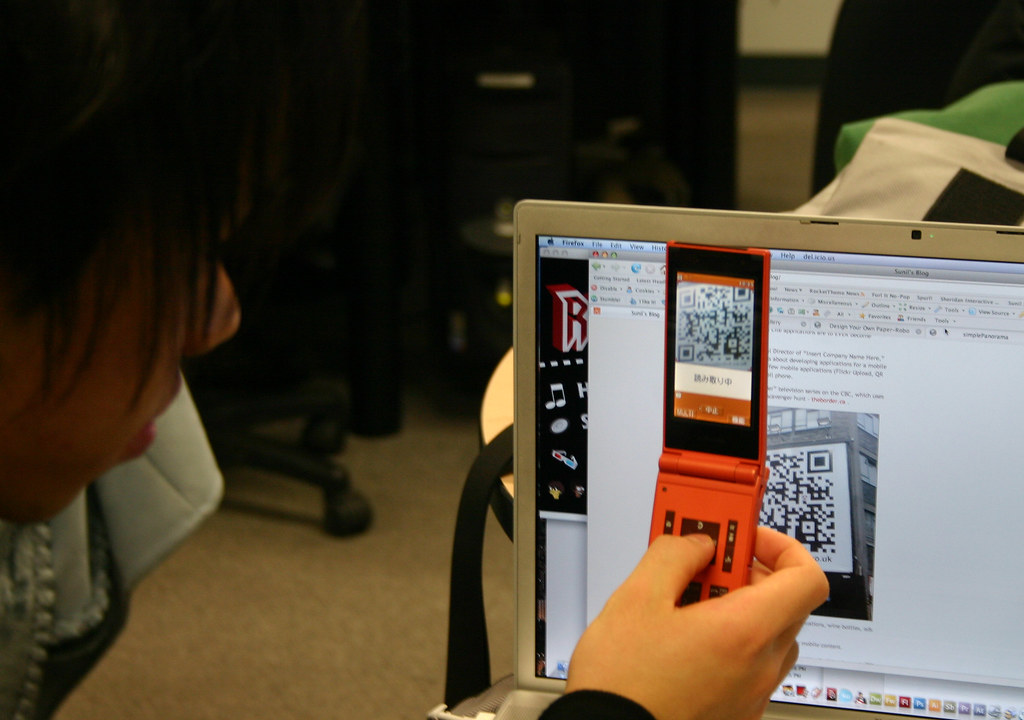
One of the most noticeable trends in multimedia consumption is the increasing popularity of interactive content. This includes everything from quizzes and polls to augmented reality experiences. Consumers are no longer passive recipients; they want to actively engage with the content they consume.
- Gamification: Incorporating game-like elements into educational and entertainment content enhances engagement and retention.
- 360-Degree Videos: Providing immersive experiences that allow users to explore environments, these videos have gained traction in various fields, such as travel and real estate.
- Interactive Stories: Platforms like Instagram and Snapchat have pioneered storytelling that encourages user interaction, making narratives more engaging.
Personalized Content Delivery
With advancements in AI and machine learning, personalized multimedia content has become a norm. Algorithms analyze user behaviors and preferences, delivering tailored experiences that resonate with individual interests.
- Smart Recommendations: Streaming services utilize algorithms to suggest shows and movies based on viewing history, increasing the chances of user engagement.
- Customized Playlists: Music platforms curate personalized playlists based on listening habits, providing users with a unique sound experience.
- Targeted Advertising: Advertisers leverage data analytics to create ads that are specifically designed for individual viewers, enhancing the overall consumer experience.
Increased Use of Video Content
Video content remains a dominant form of multimedia consumption in 2026. With the rise of short-form videos on platforms like TikTok and Instagram Reels, brands and creators are focusing on producing engaging, bite-sized clips that capture audience attention quickly. Also read: WAK89 for more insights.
- Live Streaming: The shift towards real-time content allows creators to build stronger connections with their audiences, making it a preferred choice for brands looking to interact directly with consumers.
- Documentaries and Web Series: Long-form video content has found its place on various streaming platforms, appealing to viewers seeking in-depth narratives and storytelling.
The Impact of Technology on Multimedia Consumption
Virtual and Augmented Reality
Technological advancements have played a pivotal role in the evolution of multimedia consumption. Virtual reality (VR) and augmented reality (AR) have revolutionized how we interact with multimedia. These technologies enable users to immerse themselves in different environments and experiences.
- Educational Applications: VR is increasingly being used in educational settings, providing students with immersive learning experiences that go beyond traditional textbooks.
- Virtual Tourism: Travel agencies utilize AR to offer virtual tours, allowing potential travelers to experience destinations before booking their trips.
AI-Powered Content Creation
AI is not only changing how we consume multimedia but also how it is created. AI tools can analyze data and produce content that aligns with user preferences and trends.
- Automated Video Editing: AI-driven software is streamlining the video editing process, making it more accessible for creators to produce high-quality content.
- Content Curation: AI algorithms help in curating content from various sources, presenting users with a comprehensive view of topics of interest.
Conclusion
The evolution of multimedia consumption continues to shape our digital experiences in 2026. As technology advances, so too will the methods we use to consume and interact with multimedia content. Embracing these changes offers opportunities for brands, creators, and consumers alike to engage in meaningful ways, paving the way for a more dynamic and personalized multimedia landscape.