The Impact of Multimedia on Global Cultural Exchange in 2026
Understanding Multimedia and Cultural Exchange
In an increasingly interconnected world, multimedia plays a pivotal role in cultural exchange, shaping how we share, experience, and understand diverse cultures. As of 2026, technology has advanced to create immersive platforms that facilitate global interactions across various forms of media, including video, music, and interactive content.
Defining Multimedia in the 21st Century
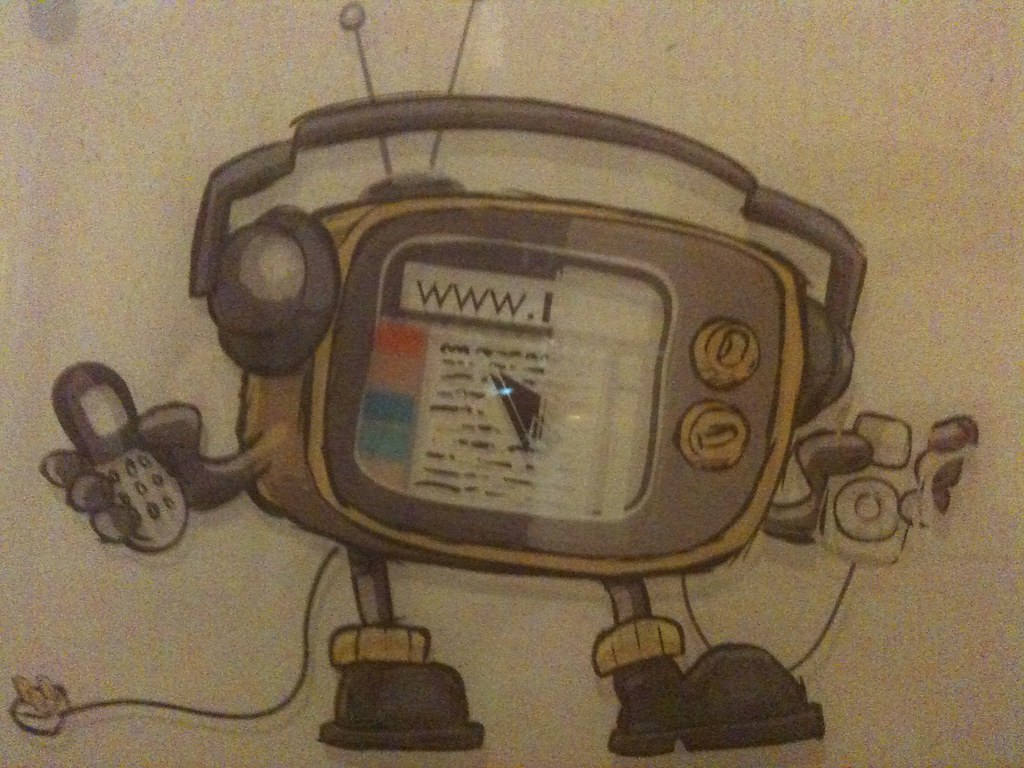
Multimedia encompasses a combination of different content forms, such as text, audio, images, animations, and video. This convergence of media allows for more dynamic storytelling and communication, breaking down traditional barriers that often hinder cultural exchange.
Key Trends in Multimedia and Cultural Exchange
- Interactive Platforms: Platforms like TikTok and Instagram have revolutionized how cultures are shared and experienced. Users across the globe now collaborate on creative content, blending musical traditions, dance styles, and visual arts.
- Augmented Reality Experiences: AR technology allows users to immerse themselves in different cultures through virtual tours and guided experiences, making cultural exchange more accessible.
- Localized Content Creation: As more users create content in their native languages, it encourages the preservation of cultural identities while also introducing them to a wider audience.
The Role of Social Media in Cultural Exchange
Social media has emerged as a powerful tool for cultural exchange in 2026. With platforms that support rich multimedia content, users can share their unique cultural narratives with the world. This democratization of storytelling enables a more profound understanding of different cultures, supporting the notion that everyone has a voice.
Enhancing Understanding Through Multimedia
Multimedia has the potential to foster empathy and understanding by showcasing authentic cultural practices and stories. Documentaries, virtual art exhibits, and online performances allow users to experience different cultures without geographical limitations.
Case Studies of Successful Cultural Exchange Initiatives
- The Global Art Project: A collaborative initiative that brought artists from various countries together to create a virtual gallery, showcasing their works and cultural backgrounds, attracting millions of viewers.
- Digital Storytelling Workshops: Programs that teach individuals how to share their stories through multimedia formats, empowering them to share their culture while developing their creative skills.
Challenges in Multimedia Cultural Exchange
While multimedia enhances cultural exchange, certain challenges persist:
- Digital Divide: Not everyone has equal access to technology, limiting participation in cultural exchange initiatives.
- Cultural Appropriation: The fine line between appreciation and appropriation can lead to misunderstandings, requiring sensitivity and respect in multimedia representation.
- Quality Control: The vast amount of user-generated content can sometimes dilute authentic cultural expressions.
Future Outlook: Multimedia’s Role in Cultural Sustainability
As we look to the future, multimedia will continue to play a significant role in preserving and promoting cultural identities. The integration of advanced technologies like artificial intelligence and machine learning can create personalized cultural experiences, further enhancing the exchange.
Conclusion
In 2026, multimedia stands as a fundamental pillar in the landscape of global cultural exchange. By providing platforms that support creativity and collaboration, we have the opportunity to foster understanding and appreciation for the rich tapestry of human experiences. As we move forward, continued innovation in multimedia will likely break down remaining barriers, paving the way for a more interconnected world.