Navigating the Multimedia Landscape: Key Skills and Tools for 2026
Introduction to the Multimedia Landscape
As we journey through 2026, the multimedia landscape continues to evolve dramatically. With the integration of various technologies, creators and consumers alike are experiencing a rich tapestry of visual, auditory, and interactive content. This article explores the essential skills and tools needed to thrive in this dynamic environment.

Understanding the Essentials of Multimedia Skills
To excel in the multimedia realm, a diverse skill set is paramount. Here are some critical skills every multimedia professional should cultivate:
- Creative Thinking: The ability to think outside the box enables content creators to develop unique multimedia experiences that captivate and engage audiences.
- Technical Proficiency: Familiarity with software tools like Adobe Creative Suite, Final Cut Pro, and various animation and 3D modeling programs is essential for producing high-quality content.
- Storytelling Ability: Crafting compelling narratives is vital. Multimedia is not just about visuals and sound; it’s about creating stories that resonate with audiences.
- Adaptability: With technology advancing rapidly, multimedia professionals must stay current with new tools and platforms, adapting their skills as necessary.
- Collaboration: The ability to work effectively with others—whether in production, marketing, or design—is crucial for successful multimedia projects.
Emerging Tools Shaping Multimedia Creation
As technology evolves, so do the tools available to multimedia creators. Here are some of the most impactful tools that are shaping the field in 2026:
- Artificial Intelligence (AI) Enhancements: AI tools such as RunwayML and DeepArt are revolutionizing the way multimedia projects are developed, offering capabilities like automatic video editing and art generation.
- Augmented Reality (AR) Development Kits: Platforms like Unity and ARKit allow creators to build immersive AR experiences, adding layers of interaction to traditional content.
- Cloud-based Collaboration Tools: Tools like Miro and Frame.io facilitate teamwork across distances, enabling real-time feedback and project management.
- 3D Animation Software: Programs like Blender and Cinema 4D enable creators to bring their ideas to life with stunning visuals, essential in today’s multimedia projects.
- Interactive Design Platforms: Figma and Adobe XD are crucial for designing interactive elements that enhance user engagement.
Essential Trends in Multimedia for 2026
Keeping an eye on trends is important for creating relevant and engaging multimedia content. Here are some key trends to consider:
- Personalization: With data analytics and AI, creators can produce tailored content experiences that cater to individual viewer preferences.
- Immersive Experiences: The rise of virtual reality (VR) and AR has led to a growing demand for immersive content that allows users to engage with stories in new, profound ways.
- Short-form Content: The popularity of platforms like TikTok underscores the demand for quick, engaging pieces of multimedia that deliver impactful messages in a short time frame.
- Interactive Storytelling: Viewers want to have a say in how the story unfolds. Multimedia projects that incorporate user choice and interactivity are gaining traction.
- Cross-Platform Integration: Content must be adaptable across various devices and platforms, ensuring a seamless user experience everywhere.
Building a Portfolio in Multimedia
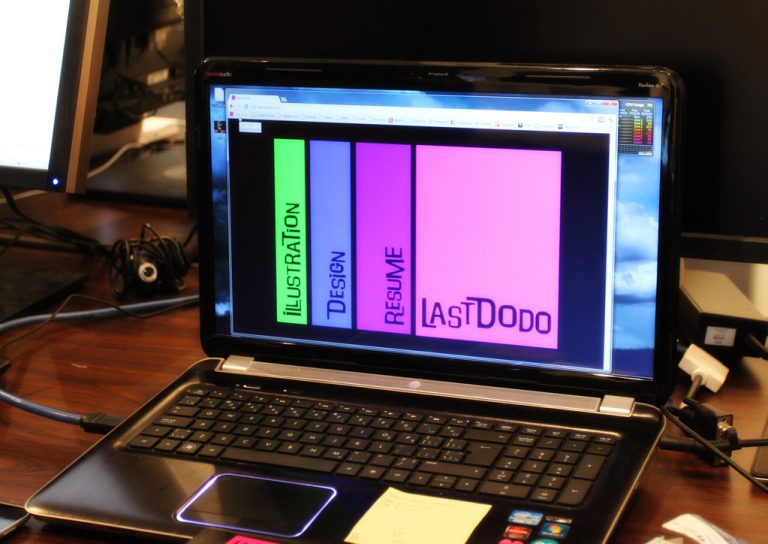
A strong portfolio is essential for anyone looking to enter or advance in the multimedia field. Here are some tips on how to build an impressive multimedia portfolio:
- Diverse Projects: Include a variety of work that showcases your skills across different mediums such as video, audio, graphics, and interactive content.
- Highlight Collaboration: If you have worked on team projects, be sure to highlight your role and contributions to illustrate your collaborative skills.
- Document Your Process: Share case studies or process videos that document how you approached each project. This can provide potential employers with insight into your workflow and problem-solving abilities.
- Update Regularly: Keep your portfolio fresh by regularly updating it with your newest and best work, reflecting your growth and adaptability in the field.
Conclusion: Embracing the Future of Multimedia
As we look ahead in 2026, the multimedia landscape promises to continue changing, influenced by emerging technologies and shifting audience expectations. By developing the necessary skills, utilizing the latest tools, and staying attuned to industry trends, multimedia professionals can position themselves for success. Embracing this dynamic environment will not only enhance individual careers but also contribute to the rich evolution of multimedia content globally.