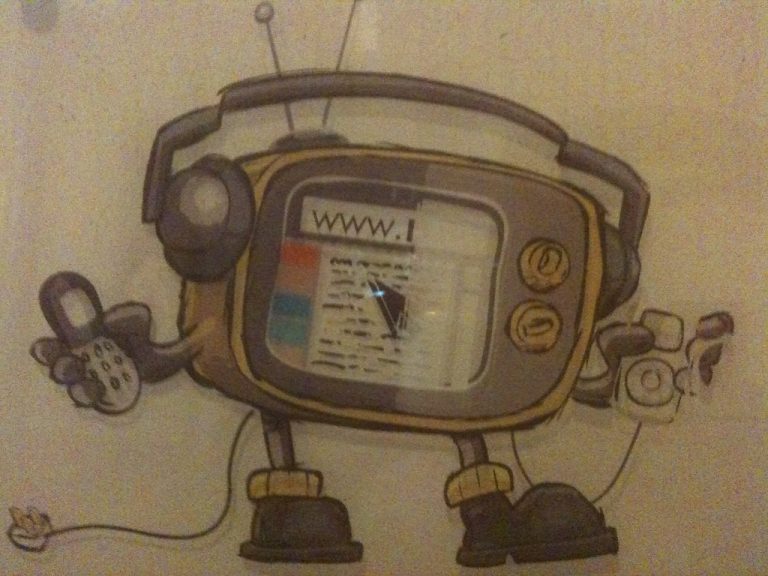
Multimedia Trends in 2026: Engaging Audiences Through Diverse Channels
Introduction
As we move deeper into 2026, the multimedia landscape continues to evolve at a breakneck pace. From advancements in technology to the ways audiences engage with content, multimedia has become a fundamental aspect of our daily lives. This article explores the latest trends in multimedia, showcasing how brands and creators can engage audiences more effectively across diverse channels.

What is Multimedia?
Multimedia refers to the integration of various content forms such as text, audio, images, animations, video, and interactivity. In today’s world, multimedia has transcended traditional means of communication, offering richer experiences for users. This multifaceted approach is vital in capturing attention and enhancing engagement.
The Rise of Immersive Experiences
Immersive experiences are becoming increasingly popular in multimedia content. With advancements in augmented reality (AR) and virtual reality (VR), consumers are looking for ways to engage with content in more interactive ways.
Key Features of Immersive Multimedia
- Engagement: Users are more likely to interact with content that offers immersive elements, such as 360-degree videos or AR experiences.
- Personalization: Tailoring experiences based on user data enhances the relevance and impact of multimedia content.
- Accessibility: As technology advances, making immersive experiences accessible on various devices, including smartphones and tablets, becomes crucial.
Short-Form Video Content Dominance
In 2026, short-form video content continues to dominate the multimedia scene. Platforms like TikTok and Instagram Reels have set the standard for quick, engaging clips that capture attention.
Why Short-Form Video Works
- Attention Span: Modern audiences have shorter attention spans, making concise video content an effective way to communicate messages quickly.
- Shareability: Easily digestible content encourages sharing, increasing reach and engagement.
- Creativity: Creators are pushed to be more innovative with storytelling, packing powerful messages into brief formats.
Interactive Elements in Multimedia
As the demand for engaging content grows, incorporating interactive elements in multimedia is crucial. Interactive content fosters active participation from users rather than passive consumption.
Types of Interactive Multimedia
- Quizzes and Polls: These allow users to engage with content and provide feedback, creating a two-way interaction.
- Interactive Videos: Videos that allow users to choose paths or make decisions lead to personalized experiences.
- Gamification: Incorporating game-like elements into content encourages user engagement and interaction.
Multimedia in Social Media Marketing
The integration of multimedia in social media marketing is transforming how brands connect with their audiences. A strong multimedia strategy can enhance brand visibility and customer loyalty.
Strategies for Effective Multimedia Marketing
- Visual Storytelling: Use images and videos to tell compelling stories about your brand, products, or services.
- User-Generated Content: Encourage your audience to share their experiences with your brand, creating authentic content that showcases real-life interactions.
- Live Streaming: Host events or webinars in real-time, allowing audiences to interact directly with your brand.
Multimedia Accessibility and Inclusivity
Inclusivity is becoming a significant concern in multimedia content creation. As brands look to connect with wider audiences, ensuring that content is accessible to all is essential.
Practices for Accessible Multimedia
- Alt Text: Provide descriptive alt text for images to assist visually impaired users.
- Subtitles and Captions: Including subtitles or captions in videos makes content accessible for those with hearing impairments.
- Color Contrast: Ensure that color schemes are friendly for individuals with color blindness.
The Future of Multimedia: Convergence of AI and Creativity
Artificial intelligence (AI) is shaping the future of multimedia by enhancing content creation, curation, and distribution. AI tools are helping creators produce high-quality multimedia content quickly and efficiently.
AI Applications in Multimedia
- Content Creation: AI can assist in generating video scripts, graphics, and even music, streamlining the creative process.
- Data-Driven Insights: AI analyzes audience behavior to inform content strategies, ensuring that multimedia resonates with target demographics.
- Personalized Recommendations: Algorithms can suggest content tailored to user preferences, increasing engagement.
Conclusion
As we navigate through 2026, the multimedia landscape will continue to evolve with emerging technologies and changing user preferences. Embracing immersive experiences, short-form content, interactive elements, and a focus on accessibility will be essential for brands and creators aiming to capture and maintain audience interest. By leveraging the power of multimedia effectively, they can stay relevant and competitive in an ever-changing digital environment.