Embracing Change: How Multimedia Shapes Digital Literacy in 2026
The Importance of Digital Literacy in the Multimedia Era
In today’s fast-paced digital environment, multimedia has become a cornerstone of communication, education, and entertainment. By 2026, the ability to navigate, interpret, and create multimedia content is essential for personal and professional success.
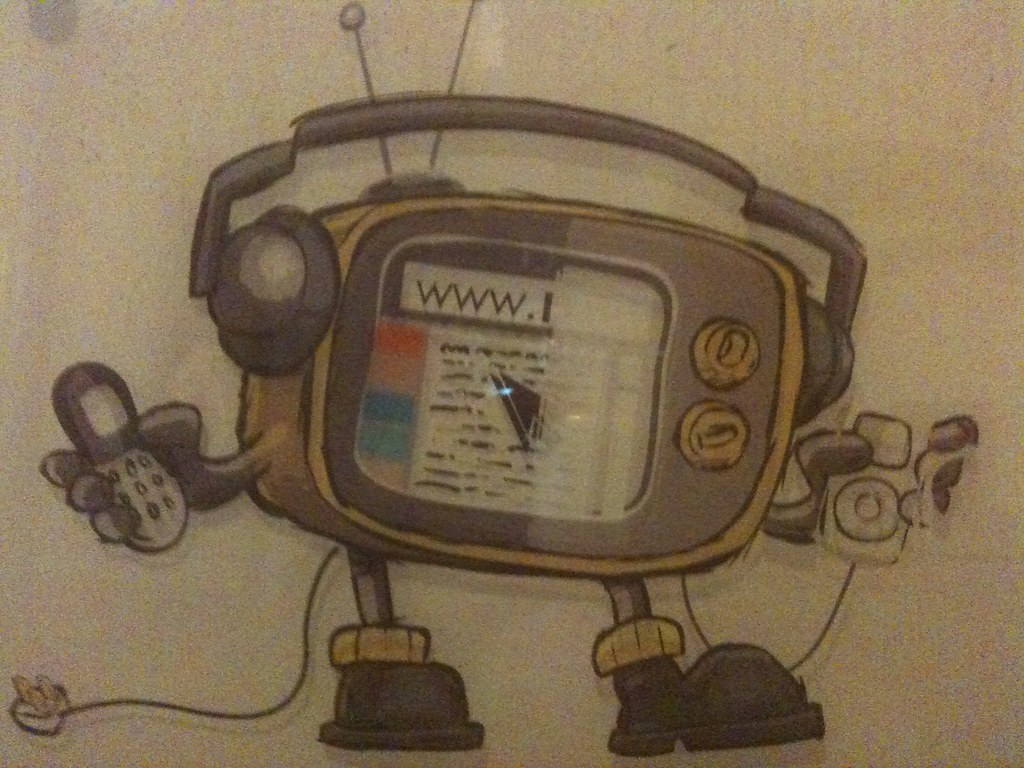
What is Digital Literacy?
Digital literacy extends beyond basic computer skills; it encompasses a variety of competencies including:
- Understanding digital platforms
- Effective communication through multimedia
- Critical thinking in evaluating online content
- Creative production of digital media
As multimedia becomes more integral to everyday life, enhancing digital literacy is paramount for individuals of all ages.
Multimedia in Education: Cultivating Digital Skills
In the educational sphere, multimedia tools are transforming traditional learning experiences. Schools and universities are leveraging these technologies to foster an interactive and engaging environment.
Innovative Educational Approaches
By incorporating multimedia into their curricula, educators are able to:
- Enhance student engagement through videos and interactive simulations
- Encourage collaborative projects using digital storytelling tools
- Facilitate remote learning via live streaming and recorded content
These innovative approaches not only improve information retention but also prepare students with essential skills for the digital landscape.
The Role of Multimedia in Enhancing Job Readiness
In the professional world, multimedia skills are increasingly sought after. Employers are looking for candidates who can effectively communicate and present ideas using various digital formats.
Key Skills for the Modern Workforce
To thrive in a multimedia-rich job market, individuals should focus on developing the following competencies:
- Video editing and production
- Graphic design and visual communication
- Data visualization and infographic creation
- Social media management and content creation
By mastering these skills, job seekers can enhance their employability and respond to the demands of a rapidly evolving workforce.
Accessibility and Inclusion in Multimedia
As multimedia becomes ubiquitous, ensuring accessibility for all users is vital. By 2026, organizations are expected to prioritize inclusive practices in their content creation.
Implementing Accessible Multimedia
To create multimedia that is accessible to everyone, including individuals with disabilities, consider the following strategies:
- Use captions and transcripts for videos
- Ensure website compatibility with screen readers
- Provide alternative text for images
- Design user-friendly interfaces
By adopting these practices, organizations can create multimedia experiences that are engaging and accessible to a diverse audience.
The Future of Digital Literacy and Multimedia
The future of digital literacy in the context of multimedia is bright. As technology continues to advance, so too will the tools and platforms available for content creation and consumption.
Continuous Learning and Adaptation
Staying updated with the latest multimedia technologies is essential for both individuals and organizations. Lifelong learning opportunities and professional development programs will play a crucial role in keeping skills relevant.
As we move further into 2026, embracing change and fostering digital literacy within multimedia will empower individuals to succeed in an interconnected world.