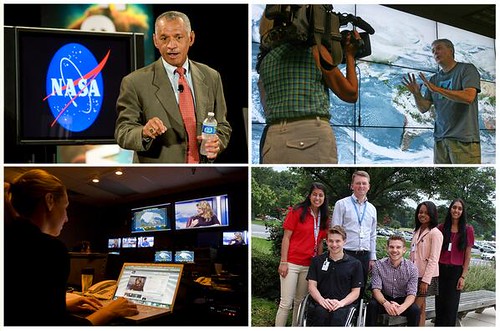
The Future of Multimedia in 2026: Innovations in User Engagement and Experience
Introduction
As we delve deeper into 2026, the multimedia landscape continues to evolve, bringing innovative ways to engage users and enhance their experiences. From interactive storytelling to advanced visualization techniques, multimedia is reshaping how we consume and interact with content. This article explores the latest trends in multimedia that are influencing user engagement and providing new opportunities for creators and consumers alike.

Understanding Multimedia Engagement
Multimedia engagement refers to how users interact with various forms of media, including text, images, audio, video, and interactive elements. In today’s digital age, effective engagement hinges on delivering content that not only attracts attention but also maintains interest and fosters emotional connections.
The Rise of Interactive Storytelling
One of the most exciting trends in multimedia is the rise of interactive storytelling. This format allows audiences to influence the narrative through their choices, creating a more immersive experience. Here are some key aspects:
- Branching Narratives: Users can explore different storylines, leading to multiple outcomes based on their decisions.
- Gamification: Incorporating game-like elements, such as rewards and challenges, enhances user engagement.
- Cross-Platform Accessibility: Interactive stories are increasingly available on various platforms, making them accessible to a wider audience.
Enhanced Visual Communication
In 2026, the importance of visual communication cannot be overstated. High-quality visuals can make content more accessible and engaging. Here are some innovations in this area:
- 360-Degree Videos: These videos offer a panoramic view, placing viewers in the center of the action and enhancing immersion.
- Augmented Reality (AR): AR allows users to interact with digital elements superimposed onto the real world, providing an innovative way to present information.
- Infographics and Data Visualization: Creative data presentations help convey complex information in an easily digestible format.
The Role of AI and Machine Learning
Artificial Intelligence (AI) and machine learning are playing a significant role in shaping multimedia experiences. These technologies can analyze user behavior and preferences to deliver personalized content. Some applications include:
- Content Recommendations: Algorithms suggest multimedia content based on user interaction history, increasing the likelihood of engagement.
- Automated Video Editing: AI tools can streamline the video production process by automatically editing and enhancing footage based on best practices.
- Enhanced Accessibility: AI can offer features such as real-time subtitles and audio descriptions, making multimedia content accessible to everyone.
Social Media and Multimedia Integration
Social media platforms continue to evolve, heavily integrating multimedia to enhance user experience. The following trends are shaping this integration:
- Short-Form Video: Apps like TikTok and Instagram Reels emphasize short, engaging videos that capture users’ attention quickly.
- Live Streaming: Real-time interaction through live videos allows creators to engage with audiences immediately, fostering a sense of community.
- Collaborative Content Creation: Social media encourages user-generated content, allowing communities to participate in the multimedia creation process.
Multimedia in Education and Training
The educational landscape is also being transformed by multimedia innovations. In 2026, multimedia tools are enhancing learning in several ways:
- Interactive Learning Modules: These modules allow students to engage actively with the material, promoting better retention and understanding.
- Virtual Classrooms: Advanced video conferencing tools provide real-time interaction between instructors and students, making learning more dynamic.
- Simulation Training: Fields like medicine and engineering utilize multimedia simulations for hands-on experience without real-world risks.
Challenges and Considerations
While the advancements in multimedia provide exciting opportunities, several challenges must be addressed:
- Content Overload: The vast amount of multimedia content can overwhelm users, making it difficult to find quality information.
- Digital Divide: Not everyone has equal access to advanced multimedia technologies, potentially widening disparities in information consumption.
- Privacy Concerns: As AI and data analytics become more integrated into multimedia experiences, safeguarding user information remains crucial.
Conclusion
As we move through 2026, the multimedia landscape is continuously evolving. Innovative approaches in interactive storytelling, visual communication, AI integration, and social media engagement are transforming how we experience and interact with content. Embracing these trends while being mindful of the challenges ahead is paramount for creators, consumers, and educators alike. The future of multimedia promises exciting possibilities to engage users in ways we have yet to fully explore.