Navigating the Multimedia Ecosystem: Trends and Insights for 2026
Understanding the Multimedia Landscape in 2026
The multimedia landscape is evolving rapidly in 2026, driven by advancements in technology and changing consumer behaviors. As more content creators, businesses, and educational institutions embrace multimedia, understanding its various components and applications is essential for success.

The Spectrum of Multimedia
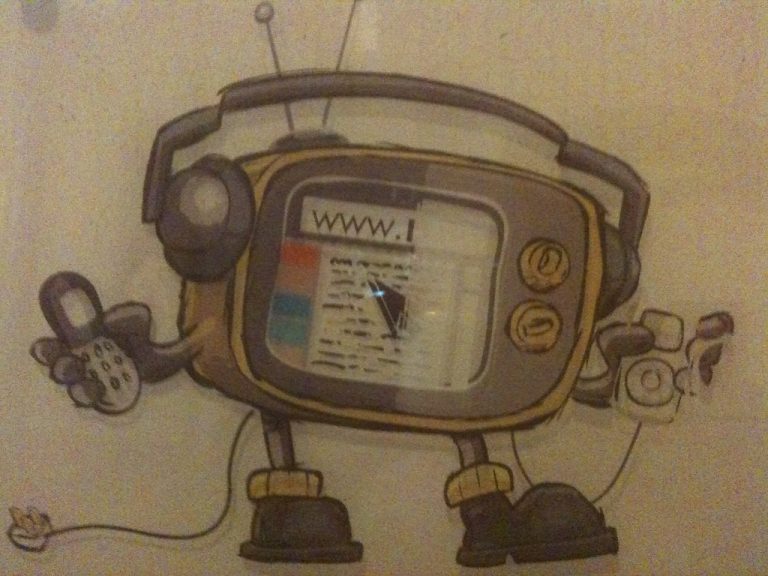
Multimedia encompasses various formats and technologies that engage users through different senses. This includes:
- Text: Written content that serves as the foundation.
- Audio: Music, sound effects, and voiceovers that enhance emotional engagement.
- Images: Photographs, graphics, and illustrations that provide visual context.
- Video: Moving images that tell stories and convey information dynamically.
- Interactive Content: Quizzes, games, and simulations that promote user participation.
Each component plays a vital role in creating immersive experiences that resonate with audiences.
The Importance of User Experience
User experience (UX) is at the forefront of multimedia design in 2026. Enhanced UX leads to better engagement, increased retention, and higher conversion rates. To achieve this, creators focus on:
- Personalization: Tailoring content based on user preferences and behaviors.
- Accessibility: Ensuring content is usable by people of all abilities and disabilities.
- Responsive Design: Adapting multimedia experiences across devices and screen sizes.
Emerging Trends in Multimedia
As we progress through 2026, several trends are shaping the multimedia landscape:
- AI-Driven Content Creation: Artificial Intelligence is streamlining content creation, making it faster and more efficient. AI tools are capable of generating video scripts, selecting suitable images, and even editing content to match user preferences.
- Augmented Reality (AR) Experiences: AR is becoming commonplace in various applications, from gaming to e-commerce. Brands are integrating AR into their strategies to create interactive and engaging user experiences.
- Short-Form Video Dominance: Platforms like TikTok and Instagram Reels have popularized short video content. Brands and creators are adapting by producing concise, impactful videos that capture audience attention quickly.
- Live Streaming Growth: Live streaming continues to grow, providing real-time engagement between creators and audiences. This trend is prevalent in gaming, events, and educational sectors.
- Blockchain for Copyrights: Blockchain technology is being explored for protecting copyright in multimedia. This can enhance transparency and fairness in content ownership.
Multimedia in Education
The education sector is experiencing a multimedia renaissance in 2026. Educators are leveraging multimedia tools to enhance learning experiences, using:
- Interactive Technologies: Tools like virtual classrooms and online labs facilitate immersive learning.
- Gamification: Applying game design principles to educational content motivates students and makes learning enjoyable.
- Multimedia Resources: Videos, podcasts, and infographics are being used to explain complex subjects in an engaging manner.
Building a Career in Multimedia
As multimedia continues to expand, career opportunities are blossoming. Potential career paths include:
- Multimedia Designer: Creating visual content across multiple platforms.
- Content Manager: Overseeing and curating multimedia content for various channels.
- Social Media Specialist: Developing multimedia strategies for brands to enhance their online presence.
- UX/UI Designer: Focusing on enhancing user experiences through multimedia elements.
Challenges in the Multimedia Space
Despite its numerous benefits, the multimedia industry faces challenges:
- Saturation of Content: With an abundance of multimedia content available, standing out is increasingly difficult.
- Quality Control: The emphasis on speed can sometimes compromise content quality.
- Privacy Concerns: The use of data for personalized content raises questions about user privacy and consent.
Conclusion
As we navigate through 2026, multimedia will continue to shape how we communicate, educate, and engage with one another. By understanding emerging trends and focusing on user experience, creators and businesses can make the most of this dynamic landscape. Embracing the multimedia ecosystem is not just an option; it’s a necessity for staying relevant in an increasingly digital world.